For gym owners and facility managers, the decision to repair or replace equipment is not just about fixing what’s broken, rather it’s about protecting revenue, minimizing risk, and preserving the member experience. Every machine on your floor plays a role in retention, reputation, and daily operations, and poor equipment decisions quietly erode all three.
While repairs often seem like the logical short-term fix, they can mask deeper cost and reliability issues. Over time, repeated maintenance, downtime, and aging performance can cost far more than replacement ever would. In the right situations, replacing equipment isn’t an expense, it’s a strategic investment that restores reliability, improves perception, and stabilizes long-term operating costs.
Understanding when repair stops making sense and when replacement becomes the smarter move, is a critical part of effective gym asset management.
The Hidden Costs of Repeated Repairs
Minor repairs are a normal part of equipment ownership. Belts wear out, cables fray, and electronics occasionally fail. However, once repairs become frequent, the true cost extends far beyond the invoice.
Repeated downtime disrupts member routines, strains staff resources, and can lead to negative perceptions of facility quality. A treadmill that is “almost always out of order” or a selectorized machine that requires constant servicing does more damage than its repair cost suggests.
When downtime becomes recurring, replacement should be evaluated seriously.
When Repair Costs Approach Equipment Value
A practical rule many experienced operators follow is this: If a repair costs 30–50% or more of the equipment’s current replacement value, replacement often makes more sense.
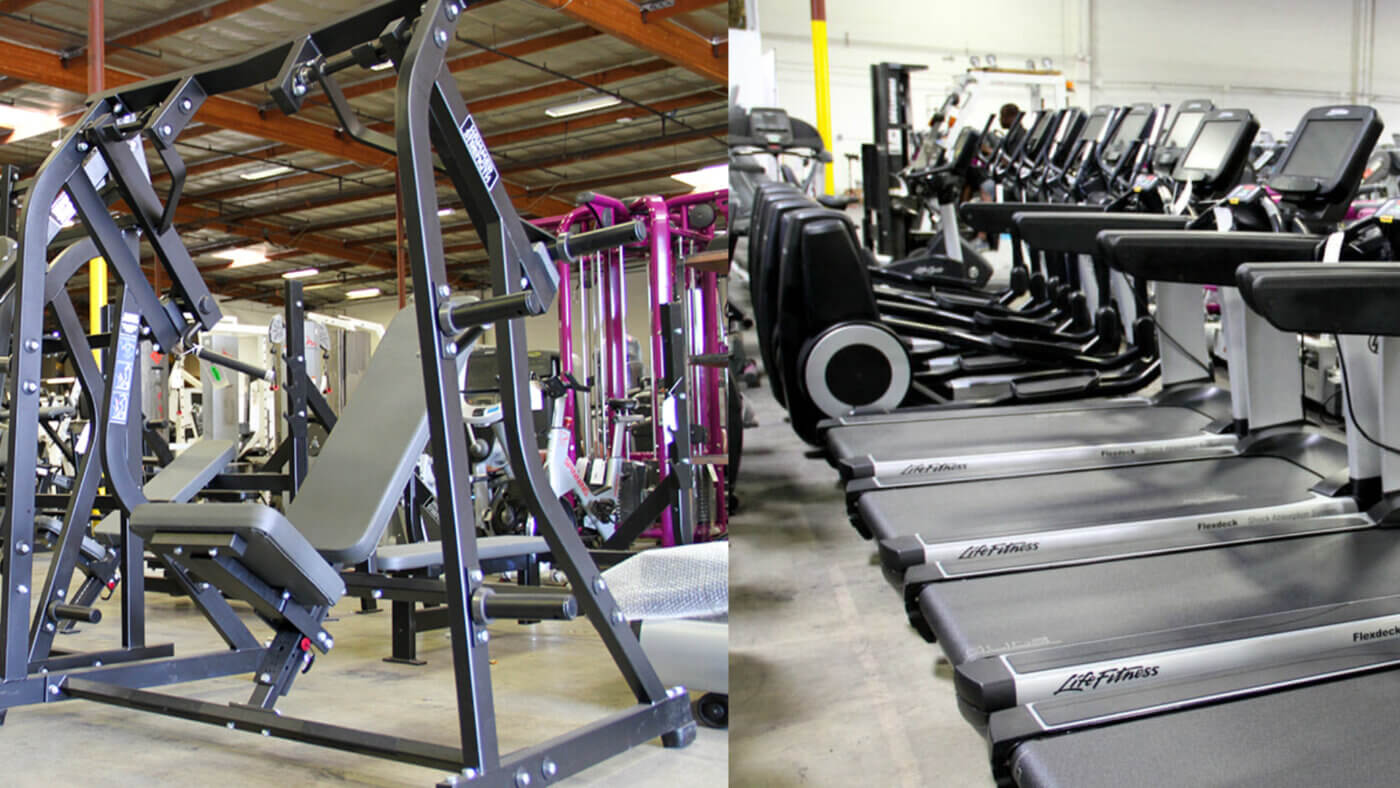
Replacing an aging unit with used commercial-grade equipment often costs significantly less than buying new, and in some cases, costs less than major repairs. Instead of sinking money into declining assets, operators can reset lifecycle costs at a manageable price point.
Aging Electronics and Obsolete Components
Cardio equipment presents unique challenges as it ages. Consoles, control boards, and proprietary electronics may be discontinued by manufacturers, making repairs more expensive or impossible. If replacement parts are difficult to source or require long lead times, the equipment becomes a liability. In these cases, replacement reduces operational risk and improves service reliability.
Increasing Maintenance Frequency Is a Red Flag
Equipment that requires repeated service calls within a short period is signaling deeper wear. Bearings, motors, frames, or drive systems may be degrading simultaneously, leading to cascading failures.
Rather than addressing symptoms one repair at a time, replacing the unit can eliminate the cycle of downtime and maintenance expense.
Impact on Member Experience
Members often judge a facility by the condition and reliability of its equipment. Frequent “out of order” signs, unusual noises, or visibly worn machines can negatively affect retention, even if the equipment technically functions.
Replacing aging or unreliable equipment improves:
- Member satisfaction
- Perceived facility quality
- Equipment availability during peak hours
From an operational standpoint, replacement can be a proactive investment in retention rather than a reactive maintenance decision.
Safety and Liability Considerations
Equipment nearing the end of its lifecycle may pose increased safety risks. Structural fatigue, worn cables, or unstable frames can increase the likelihood of injury. At a certain point, repairing equipment solely to keep it operational may expose the facility to unnecessary liability. Replacement reduces both safety risk and insurance concerns.
When Replacement Is Almost Always the Better Choice
Replacement should be strongly considered when:
- Repair costs are high relative to replacement value
- Equipment downtime is frequent or unpredictable
- Parts are discontinued or difficult to source
- Maintenance needs are increasing year over year
- Safety or liability concerns are present
- The equipment no longer meets facility performance standards
In many cases, replacing older machines with refurbished gym equipment delivers improved reliability without the cost of buying new.
When Gym Equipment Repairs Makes Sense
Not every issue justifies replacement. Repairs are typically the better option when:
- The equipment is relatively new
- The issue is isolated and inexpensive
- Replacement parts are readily available
- The machine still has a long service life ahead
A clear maintenance history and realistic assessment of future costs are key.
A Smarter Approach to Equipment Decisions
The most effective facilities plan equipment replacement strategically rather than waiting for failures. Evaluating lifecycle costs, downtime impact, and member experience helps operators decide when replacement creates more value than repair.
In many situations, replacing aging equipment early reduces long-term costs, improves reliability, and enhances the overall facility experience.
Get High Quality Used Gym Equipment That Actually Solves the Problem
Repairing gym equipment will always be part of running a facility but knowing when to stop repairing and start replacing is what separates reactive maintenance from smart, profit-focused asset management. Continually pouring money into aging machines often delays the inevitable while quietly increasing downtime, safety exposure, and member frustration.
When equipment reaches the point where repairs are frequent, expensive, or disruptive, replacement becomes a strategic move, not a failure. High-quality used commercial gym equipment allows operators to reset reliability, performance, and appearance without the cost of buying new. Instead of gambling on another repair cycle, you gain predictable operations and equipment your members can trust.
At Used Gym Equipment, the focus is on helping facilities make smarter equipment decisions, not pushing unnecessary upgrades. Every piece of refurbished equipment is carefully inspected, professionally serviced, and selected for durability in real-world commercial environments. This gives you:
- Commercial-grade equipment built for high-traffic use
- Significantly lower costs compared to new machines
- Improved uptime and reduced maintenance headaches
- Safer, better-performing equipment for members and staff
- Faster replacement timelines than waiting on backordered parts
If your machines are dealing with major repairs, recurring breakdowns, outdated electronics, or growing safety concerns, continuing to repair them often costs more in the long run, both financially and operationally. Replacing worn equipment before it becomes a liability protects your brand, your members, and your bottom line.
If you’re ready to stop reacting to breakdowns and start managing your equipment strategically, reach out to Used Gym Equipment. We can help you replace problem machines with reliable, affordable alternatives that keep your facility running smoothly and your members confident in your space.
Call us at 310.638.4800 or visit www.UsedGymEquipment.com to learn more.