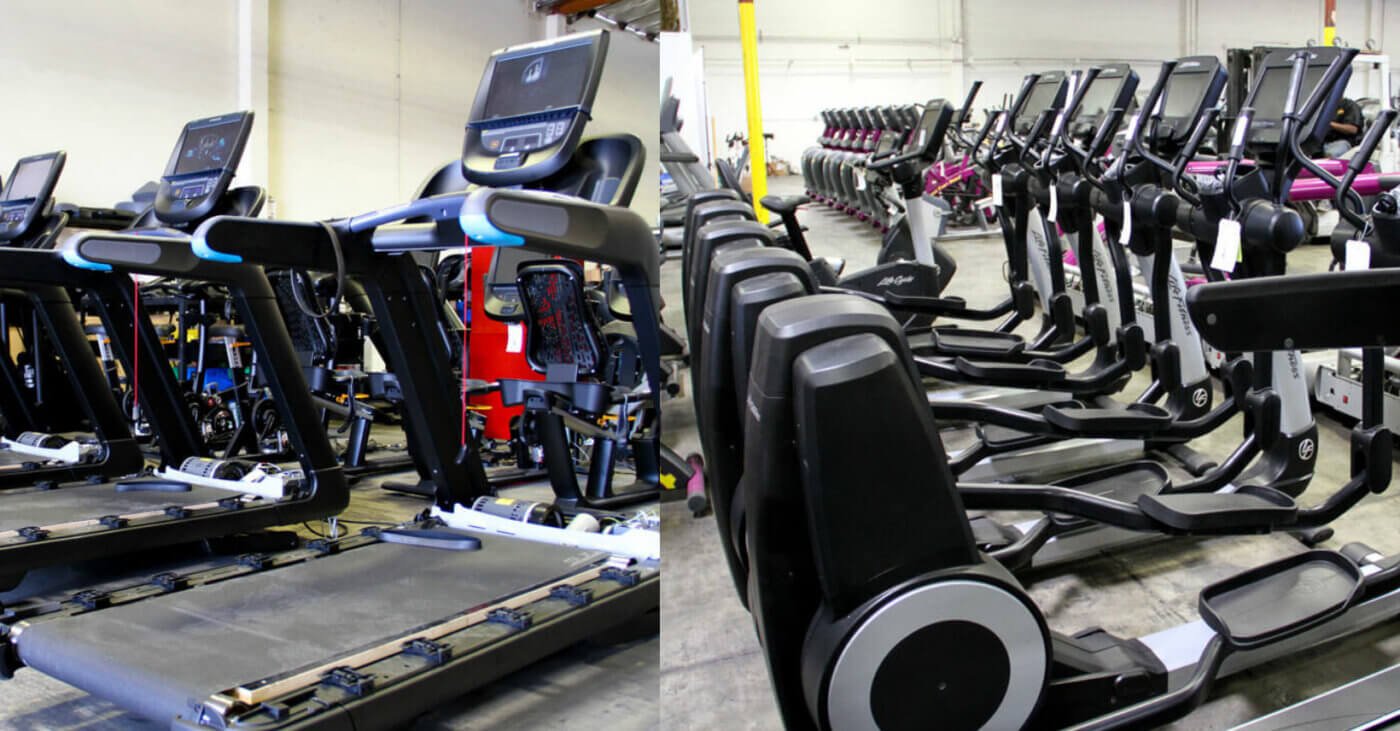
Fitness equipment represents one of the largest capital investments for commercial gyms, training studios, and fitness facilities. From high-use cardio machines like treadmills and ellipticals to heavy-duty strength equipment, these assets are expected to perform consistently in demanding, high-traffic environments.
While commercial-grade equipment is built for durability and long-term use, it does not retain its full value indefinitely. Like any business asset, gym equipment naturally depreciates over time due to continuous use, mechanical wear, evolving technology, and changing industry expectations. Even well-maintained machines that function perfectly can lose significant market value as they age and transition from “new” to “used.”
For gym owners, this depreciation isn’t just an accounting concept, it’s a strategic factor that directly impacts budgeting, resale timing, and long-term profitability.
Understanding how fitness equipment loses value, and what drives that decline, allows operators to make more informed decisions when buying, selling, upgrading, or replacing equipment. In many cases, this knowledge can mean the difference between simply managing costs and actively optimizing return on investment.
What Depreciation Means for Gym Equipment
Depreciation refers to the gradual loss of value that occurs as an asset ages and experiences wear. For fitness equipment, depreciation happens because of normal use, technological changes, and evolving industry trends.
When new fitness equipment is installed in a gym, it is considered to be at peak value. Over time, constant use from members causes mechanical wear on components such as belts, motors, bearings, and cables. Even with proper maintenance, the value of the equipment slowly declines as it ages.
Depreciation does not necessarily mean the equipment stops functioning. Many commercial machines remain operational for years after their value has significantly decreased.
The First Years See the Biggest Drop in Value
Much like vehicles, fitness equipment typically experiences its largest drop in value during the first few years after purchase. Once a machine is no longer considered new, its resale value decreases even if it is still in excellent condition.
This initial depreciation often occurs simply because buyers looking for used equipment expect a lower price compared to buying directly from a manufacturer. The equipment may still perform like new, but the market value adjusts once it enters the secondary market.
For this reason, many gyms sell equipment after several years and replace it with newer models.
Usage Plays a Major Role
How heavily equipment is used has a major influence on how quickly it depreciates. A treadmill in a busy commercial gym may run for many hours each day, while a machine in a small studio or training facility may see far less use.
High usage accelerates wear on mechanical parts and can reduce resale value faster.
Components such as running belts, motors, and internal electronics gradually experience stress with repeated use. Even when these parts are replaced during maintenance, the overall age of the machine still affects its value.
Facilities with extremely high traffic often replace cardio machines more frequently than strength equipment for this reason.
Technology Changes Also Affect Value
Another factor that contributes to depreciation is the pace of technological change. Many modern cardio machines include built-in screens, digital tracking systems, and connectivity features. As manufacturers release newer models with updated technology, older machines may lose value even if they still function well.
Buyers in the used exercise equipment market often look for machines that feel modern and appealing to gym members. Equipment with outdated displays or older interface systems may sell for less compared to newer models with advanced features.
This type of depreciation is driven less by physical wear and more by shifting expectations in the fitness industry.
Why the Secondary Market Exists
The depreciation of gym equipment is one reason the secondary market for used fitness equipment is so strong. Equipment that has lost some of its value may still have many years of useful life remaining.
New gyms, home gym builders, and training studios often take advantage of this by purchasing used commercial equipment at a much lower price than buying new. High quality machines from well-known manufacturers are designed for durability, which makes them attractive even after years of use.
For buyers, this can be an opportunity to acquire professional-grade equipment at a fraction of the original cost.
Making Smart Equipment Decisions
For gym owners, understanding depreciation isn’t just about tracking value, it’s about making smarter, forward-looking business decisions. The way you manage your equipment lifecycle directly impacts cash flow, member experience, and long-term profitability.
Some facilities choose to run equipment until it reaches the end of its usable life, maximizing every dollar spent. Others take a more proactive approach, rotating machines out every few years to maintain a modern, competitive look while capturing higher resale value before depreciation accelerates further.
There’s no one-size-fits-all strategy but the most successful operators are intentional. They evaluate not just how long equipment can last, but how long it should stay on the floor based on performance, appearance, maintenance costs, and member expectations.
Buying used gym equipment can also play a key role in that strategy. For new gyms, it provides an opportunity to significantly reduce startup costs without compromising on quality or durability. For established facilities, it creates flexibility, allowing owners to upgrade, expand, or reconfigure their floor without committing to large capital expenditures.
Many refurbished commercial machines are built to the same standards as new equipment and are designed to handle high-volume use. The difference is that the initial depreciation has already occurred, allowing gym owners to acquire premium equipment at a much more favorable price point.
Businesses looking for reliable, commercial-grade machines often turn to Used Gym Equipment, where professionally inspected inventory offers a practical, cost-effective way to build, upgrade, or scale a fitness facility. By combining durability with value, used equipment allows gym owners to make smarter investments without sacrificing performance, reliability, or long-term growth potential.
If you’re planning to upgrade your equipment, open a new facility, or simply make smarter long-term decisions, our team at Used Gym Equipment can help you evaluate your options and maximize your investment. From sourcing high-quality commercial machines to helping you build a more efficient and cost-effective gym floor, we provide solutions designed around real-world performance, not just price. Call Used Gym Equipment today at 310.638.4800 to discuss your needs and take the next step toward building a stronger, more profitable facility.
To learn more about us, please visit www.UsedGymEquipment.com.