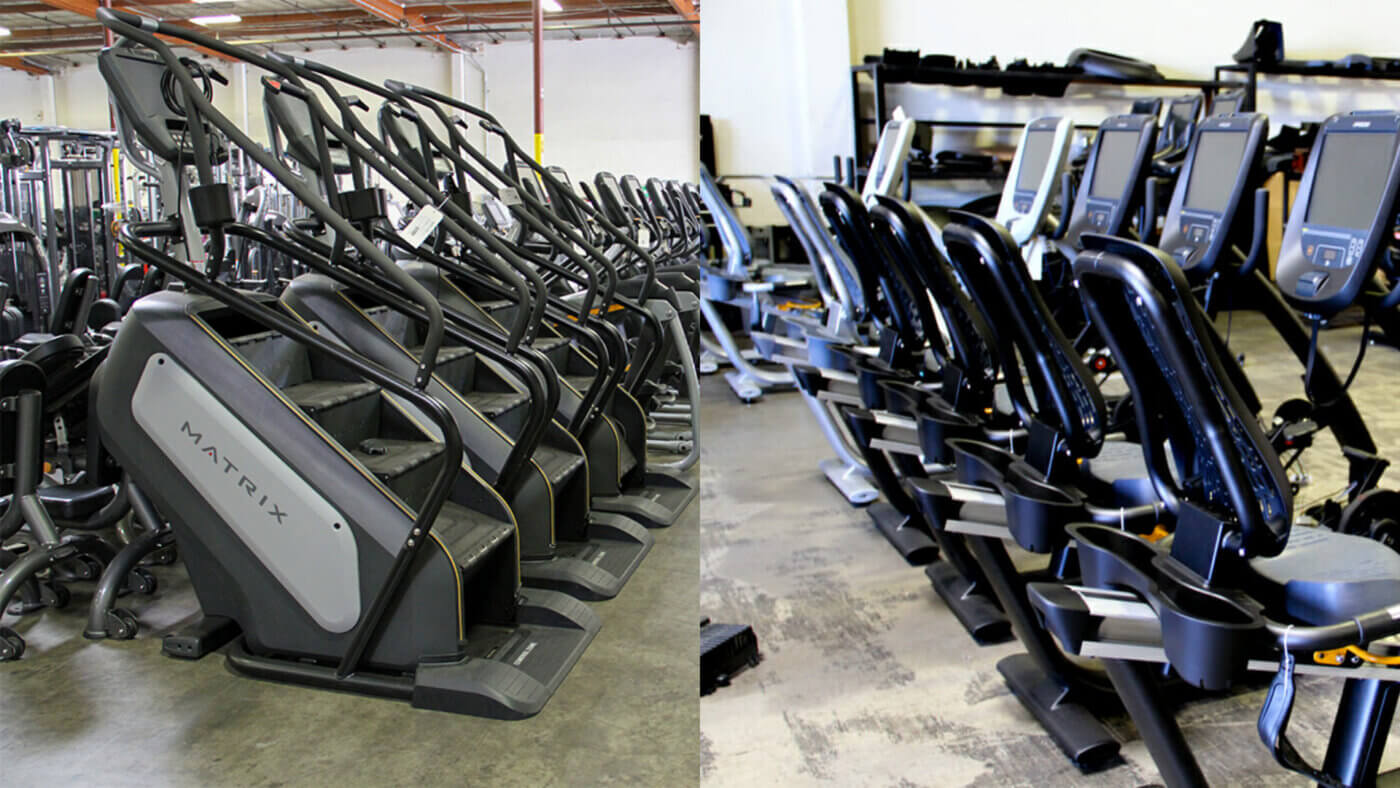
Every piece of gym equipment takes up more than floor space. It also represents money tied up in an asset, ongoing maintenance and cleaning time, and an opportunity cost that affects how the whole facility performs. That is why underused gym equipment is usually more expensive than it appears, and why a machine does not have to be broken to become a poor investment.
If members rarely use a machine, if it occupies space that could support more popular equipment, or if it keeps generating maintenance costs without improving the member experience, its true cost extends well beyond the purchase price. For commercial gyms, apartment fitness centers, hotels, and corporate wellness facilities, understanding these hidden costs is part of managing equipment intelligently. This article breaks down where those costs come from and what to do about them.
Underused Equipment Ties Up Capital and Keeps Depreciating
Commercial fitness equipment is a significant investment, particularly when a facility is opening, expanding, or completing a refresh. When equipment is purchased but rarely used, that capital is no longer available for adding heavily demanded machines, replacing aging units, or improving the facility. The problem compounds when a gym has several underperforming pieces, since a facility can have tens of thousands of dollars sitting in equipment that functions but contributes little to member usage.
Low usage does not slow depreciation. A machine that sits mostly untouched keeps losing value with age, appearance, technology changes, and shifting market demand, so an owner can lose value on equipment without getting much benefit from it. Holding an underused machine indefinitely creates a double cost: limited operational value while resale value declines. Selling earlier, while the equipment still has market value, often beats keeping it for several more years.
The useful question is not what the equipment originally cost but what value it provides today, weighing utilization, remaining useful life, maintenance expenses, resale potential, floor space, and member demand. A piece of used commercial gym equipment bought at a low cost but used heavily every day may deliver excellent value, while an expensive machine that sits empty delivers a poor return even in perfect condition. The original purchase price is already committed, so future decisions should rest on what creates the best outcome going forward.
Floor Space Has a Real Business Value
One of the largest hidden costs of underused gym equipment is the floor space it occupies. Commercial gym space is rarely unlimited, and every treadmill, strength machine, rack, bench, and functional station competes for finite square footage. A large piece of equipment that sees little use can block a facility from adding something members consistently request.
A health club may have several older selectorized machines that occupy substantial space but receive limited use while members regularly wait for cable stations, benches, or squat racks. In that situation, the cost of the underused equipment includes the value of the floor space that could be supporting higher-demand activity. The issue is even sharper in apartment fitness centers, hotels, and corporate wellness facilities where space is tight. The question is not whether a machine fits, but whether it earns its place.
Maintenance Costs Continue Even When Usage Is Low
Underused equipment still requires maintenance. Upholstery deteriorates, cables age, electronics fail, bearings wear, and batteries need replacement, and preventive maintenance schedules generally include every machine regardless of use. Cleaning and inspection take staff time as well. A heavily used machine justifies these costs because it delivers real value, while the same expense is hard to justify for a piece of equipment that is consistently ignored.
Older equipment creates a larger problem when parts become expensive or hard to source. Repeatedly repairing a machine that members rarely use is a poor allocation of maintenance dollars, and at some point owners need to decide whether the equipment should stay, be refurbished, be sold, or be replaced with something more useful. Making that decision deliberately rather than by default is where much of the hidden cost gets recovered.
Low-Use Equipment Crowds the Floor and Frustrates Members
An underused machine does not simply occupy physical space. It also affects how the facility feels, because poorly allocated equipment creates narrow walkways, congested training zones, and little room for functional work. A gym can technically own a large amount of equipment and still feel crowded during peak hours, which usually means too much equipment in lower-demand categories and too little capacity where members actually train.
Members notice when popular equipment is unavailable, and they do not care how many total machines the facility owns if the ones they want are always occupied. A member waiting for a bench or squat rack while nearby machines sit unused is experiencing the gap between equipment inventory and equipment availability, and for health clubs where retention drives revenue, that gap deserves attention. Removing or relocating an underused machine can improve circulation and open room for benches or free weights without adding a single new piece. Quantity should never be confused with quality.
Too Much Variety Can Work Against the Facility
Gym owners often assume that more variety automatically improves the member experience, but variety only creates value when members use it. A facility with one example of every specialty machine may look impressive while members prefer a smaller group of familiar, versatile pieces. If the gym has one popular cable station but five rarely used specialty machines, the mix does not match actual demand.
There is a difference between productive variety and unnecessary redundancy. Offering different training options is valuable, especially in larger facilities serving diverse members, and the problem arises when machines stay on the floor simply because they were once purchased even though member behavior has changed. Sometimes low usage has a fixable cause such as poor placement or unfamiliarity, in which case moving the machine into a logical training zone or having trainers introduce it can help. If usage stays low after that, the machine probably does not belong in the facility.
Turning Underused Equipment Into an Opportunity
Underused equipment does not have to become a loss. Commercial fitness equipment in good condition often retains meaningful resale value, and selling equipment that no longer fits the facility frees floor space and helps offset future upgrades. This is especially useful when a gym is changing its mix, such as a facility shifting toward strength training that sells lower-use cardio or specialty machines and reinvests in racks, benches, and free weights. The same principle works in reverse when demand moves toward cardio, and treating equipment as an asset rather than permanent furniture creates that flexibility.
Rebalancing the floor does not require a large new-equipment budget. Professionally refurbished or remanufactured gym equipment lets facilities add popular commercial machines while controlling capital costs, which matters most when a review identifies several capacity gaps at once. Instead of spending the whole budget on one or two new machines, owners can add multiple high-demand pieces using quality used commercial gym equipment that has been inspected or remanufactured. Lower cost alone does not make a purchase smart, though, because utilization still decides whether the investment earns its place.
Frequently Asked Questions
How can I tell whether gym equipment is truly underused?
Track utilization across multiple days and time periods, especially peak hours. A machine that looks unused during slow periods may still matter during evenings or weekends. Look for consistent patterns rather than a single observation and compare what you see with maintenance records and member feedback.
Should every low-use machine be removed?
No. Some specialty equipment serves a smaller but important group of members. Weigh utilization, member needs, floor space, maintenance costs, and whether the equipment supports a training function nothing else on the floor covers.
Is it better to sell underused equipment or keep it for future demand?
That depends on the facility’s plans. If there is a realistic reason to expect demand to increase, keeping the equipment may make sense. If usage has stayed low for an extended period and the machine still has resale value, selling earlier usually preserves more of that value.
Can relocating equipment improve usage?
Yes. Poor placement can reduce visibility or make a machine inconvenient to use. Moving it near related training stations or into a more logical workout flow often improves utilization, and it is worth trying before replacement or removal.
How often should a facility review equipment utilization?
Utilization should be reviewed periodically and whenever the facility experiences major changes in membership, programming, layout, or equipment demand. A review before any major purchase is especially valuable. Regular checks make it easier to identify underperforming assets before they become long-term costs.
Make Every Piece of Equipment Earn Its Place
Underused gym equipment costs more than the amount on the original invoice. It consumes floor space, requires maintenance, keeps depreciating, and can prevent a facility from investing in equipment members value more. The solution is not to eliminate every lower-use machine but to confirm that each piece of commercial fitness equipment contributes enough value to justify the space and resources it requires.
Used Gym Equipment has served commercial fitness facilities since 1989, helping gyms, hotels, apartment communities, schools, and corporate wellness centers evaluate, upgrade, expand, and furnish their fitness spaces. Our team works with professionally inspected used commercial gym equipment, refurbished gym equipment, and equipment remanufactured at our Southern California facility. If you are reviewing underused equipment or planning your next upgrade, contact Used Gym Equipment for guidance on evaluating your floor, selling equipment you no longer need, and selecting commercial fitness equipment that matches how your members train.
Call us at (310) 638-4800 or visit www.UsedGymEquipment.com to learn more.