
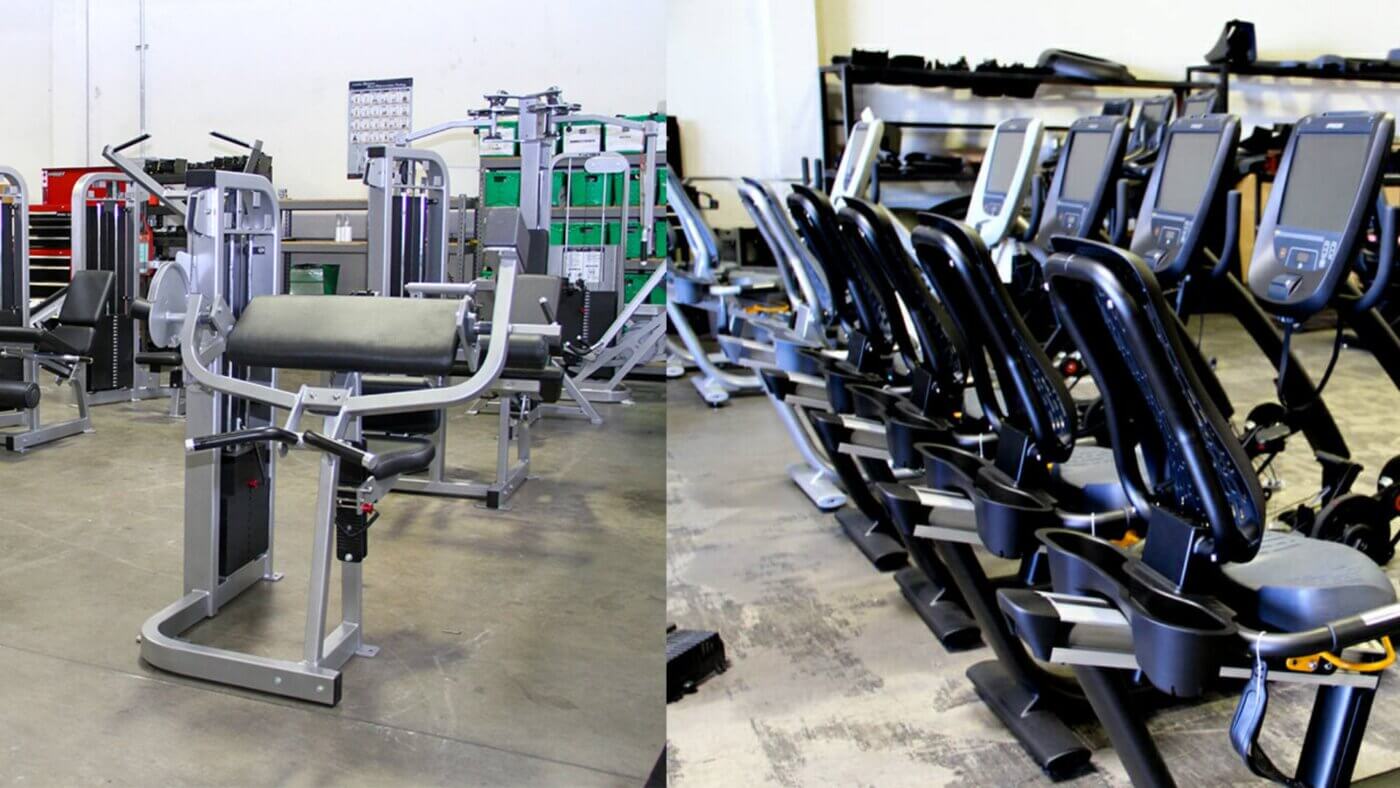
When gym owners invest in upgrading their facility, most of the attention naturally goes toward large, high-visibility equipment such as treadmills, squat racks, cable systems, or selectorized strength machines. Those pieces matter, but some of the most profitable investments in a gym are often the smaller, less obvious additions that quietly improve member experience, increase retention, and make the entire facility function more efficiently.
In many cases, profitability is not determined by who has the newest or most expensive equipment. It comes from creating an environment that keeps members engaged, supports different training styles, improves workout flow, and maximizes the value of every square foot on the floor. Small frustrations, crowded layouts, limited versatility, and underused spaces can all impact member satisfaction more than many owners realize.
That is why some of the highest-return equipment investments are often the ones that get overlooked during expansion or renovation planning. The right additions can improve how members interact with the gym every day, increase personal training opportunities, reduce congestion during peak hours, and create a more modern, functional atmosphere without requiring a massive capital investment.
The gyms that perform best long term are usually not the ones that simply buy more equipment. They are the ones that understand how to build a smarter, more versatile training environment.
Here are some of the most overlooked pieces of gym equipment that can quietly make a facility far more profitable over time
Functional Training Equipment
Functional training areas continue to grow in popularity because they appeal to a wide range of members, from athletes and personal training clients to beginners looking for less intimidating workouts. Equipment like sleds, battle ropes, medicine balls, plyometric boxes, resistance bands, and kettlebells can dramatically increase the versatility of a gym without requiring massive amounts of space.
Unlike large cardio machines that only serve one user at a time, functional training equipment creates opportunities for group workouts, circuits, and personal training sessions. These areas also tend to photograph well for social media, which helps gyms market themselves more effectively online.
Many members specifically choose gyms that offer open, functional workout spaces because they provide more variety and flexibility than traditional machine-only layouts.
Adjustable Benches
Adjustable benches may not seem exciting, but they are constantly in use in nearly every successful gym. A lack of quality benches often creates bottlenecks during busy hours, frustrating members and limiting workout flow.
Because benches support dumbbell exercises, presses, rows, shoulder work, and countless other movements, adding more high-quality adjustable benches can improve member experience immediately. They also pair with existing equipment, making them one of the most cost-effective ways to increase workout capacity without redesigning an entire gym floor.
Sometimes profitability comes from solving small frustrations that drive members away over time.
Turf and Sled Areas
Many gym owners underestimate how much value turf lanes can provide. A simple turf strip opens the door for sled pushes, agility drills, stretching, mobility work, warmups, and conditioning exercises that appeal to athletes, trainers, and general fitness members alike.
Turf areas also help gyms stand out from competitors that rely solely on rows of machines. Personal trainers frequently use these spaces because they allow for more dynamic workouts, which can increase demand for training services and additional revenue streams.
For gyms with limited square footage, multifunctional spaces often generate far more value than adding another large cardio machine.
Recovery Equipment
Recovery-focused equipment has become increasingly valuable as more gym members prioritize longevity, injury prevention, and wellness. Items like massage guns, stretching stations, foam rollers, recovery boots, and mobility equipment may seem secondary compared to traditional strength equipment, but they can significantly improve the member experience.
Many people join gyms hoping not only to get stronger but also to feel better physically. Facilities that support recovery often retain members longer because they create a more complete fitness environment rather than simply offering a place to exercise.
Recovery zones can also help attract older adults, busy professionals, and newer gym members who may feel intimidated by traditional training spaces.
Storage Systems and Organization Equipment
One of the most overlooked contributors to gym profitability is organization. Poorly organized gyms feel crowded, chaotic, and less professional, regardless of how expensive the equipment may be.
Simple investments like dumbbell racks, plate storage systems, kettlebell organizers, and wall-mounted storage can dramatically improve how members perceive a facility. Organized gyms feel cleaner, safer, and more premium, which directly impacts retention and customer satisfaction.
Well-designed storage systems also help protect equipment from unnecessary damage, extending the lifespan of expensive assets.
Selectorized Equipment for Beginners
Hardcore gym culture often emphasizes free weights and advanced training equipment, but many gyms make most of their money from everyday members rather than experienced lifters. Selectorized machines remain highly valuable because they are approachable, easy to use, and less intimidating for beginners.
Machines that target major muscle groups with simple adjustments can help newer members feel more comfortable, which increases the likelihood that they continue attending consistently. Member retention is one of the biggest drivers of long-term profitability, and beginner-friendly equipment plays a larger role in that than many owners realize.
Multi-Use Cable Systems
Cable systems are among the most efficient investments for maximizing floor space because they support dozens of exercises for users of different fitness levels. A single cable station can accommodate strength training, rehabilitation exercises, athletic training, and functional workouts all within a relatively small footprint.
Because they are versatile and constantly in demand, cable systems tend to generate far more value per square foot than many larger single-purpose machines.
Frequently Asked Questions
What type of gym equipment provides the best return on investment?
The best return on investment often comes from equipment that gets used consistently, supports multiple workout styles, and improves member experience. Functional training equipment, cable systems, adjustable benches, and versatile strength machines typically generate more long-term value because they serve a wide range of members while maximizing usable floor space.
Why is functional training equipment becoming so important for gyms?
Functional training equipment appeals to a broad audience, including athletes, beginners, group fitness participants, and personal training clients. Equipment like kettlebells, sleds, resistance bands, and turf areas creates more workout variety and flexibility, which helps gyms keep members engaged and improve retention over time.
Can smaller equipment upgrades really improve gym profitability?
Yes. Many smaller upgrades improve workout flow, reduce congestion, and create a better overall training experience. Simple additions such as extra adjustable benches, storage systems, or multifunction cable stations can increase member satisfaction and help facilities operate more efficiently without requiring major renovations.
Why do versatile machines matter more than single-purpose equipment?
Versatile equipment allows more exercises and training styles within a smaller footprint. This helps gyms maximize floor efficiency, accommodate more members simultaneously, and adapt more easily to changing fitness trends. Multifunction equipment often delivers greater long-term value than large machines designed for only one movement.
How does gym layout affect member retention?
A poorly organized or overcrowded gym can frustrate members and negatively impact their experience. Facilities with better workout flow, clear training zones, organized storage, and versatile equipment tend to feel more comfortable and professional, which encourages members to continue using the facility consistently.
Is used commercial gym equipment a good investment?
High-quality used commercial equipment can be an excellent investment when sourced properly. Commercial machines are built for durability and often retain years of usable life even after initial depreciation. Buying used allows gyms to access premium equipment while reducing upfront costs and maintaining flexibility for future upgrades.
What equipment should newer gyms prioritize first?
Newer gyms should focus on versatile, high-use equipment that supports multiple training styles and appeals to a wide range of members. Functional training equipment, adjustable benches, cable systems, selectorized strength machines, and well-designed storage solutions often provide stronger long-term value than overly specialized equipment early on.
Profitability Is About Experience, Not Just Equipment
The most profitable gyms are not always the ones with the biggest budgets or the newest equipment on the floor. In many cases, the facilities that perform best over time are the ones that understand how members actually train, move through the space, and interact with the environment every day.
Members rarely stay loyal simply because a gym has the most expensive machines. They stay because the gym feels functional, comfortable, efficient, and enjoyable to use. A facility with good workout flow, minimal wait times, versatile training options, and an environment that supports different fitness levels will almost always outperform a gym that focuses only on high-ticket equipment purchases.
That is why some of the smartest investments are not necessarily the largest ones. Equipment that improves traffic flow, increases workout variety, supports personal training, creates multifunctional spaces, or helps members feel less intimidated can generate enormous long-term value. Small upgrades that improve the overall training experience often have a greater impact on retention and member satisfaction than simply adding another oversized machine to the floor.
The most successful gym owners think beyond equipment itself. They think about usability, efficiency, flexibility, and how every square foot contributes to the member experience. They understand that profitability comes from creating a space people want to keep coming back to.
At Used Gym Equipment, we understand that building a successful fitness facility requires more than simply filling a room with machines. Choosing the right mix of used commercial gym equipment, functional training equipment, strength machines, and cardio systems can help gyms improve member retention, increase personal training opportunities, maximize usable floor space, and operate more efficiently over the long term.
Whether you are opening a new gym, upgrading an existing facility, or replacing aging machines, investing in high-quality commercial gym equipment can make a major difference in both member experience and long-term profitability. Our team helps gym owners source reliable, durable, and professionally inspected equipment that delivers real performance without the high cost of buying new.
If you are looking for used gym equipment, refurbished strength machines, cardio equipment, or space-efficient fitness solutions, the team at Used Gym Equipment can help you identify the right options for your facility, budget, and growth goals. Contact Used Gym Equipment today to explore high-quality commercial fitness equipment that helps your gym perform better, operate smarter, and grow more profitably over time.
Call us at 310.638.4800 or visit www.UsedGymEquipment.com to learn more.