
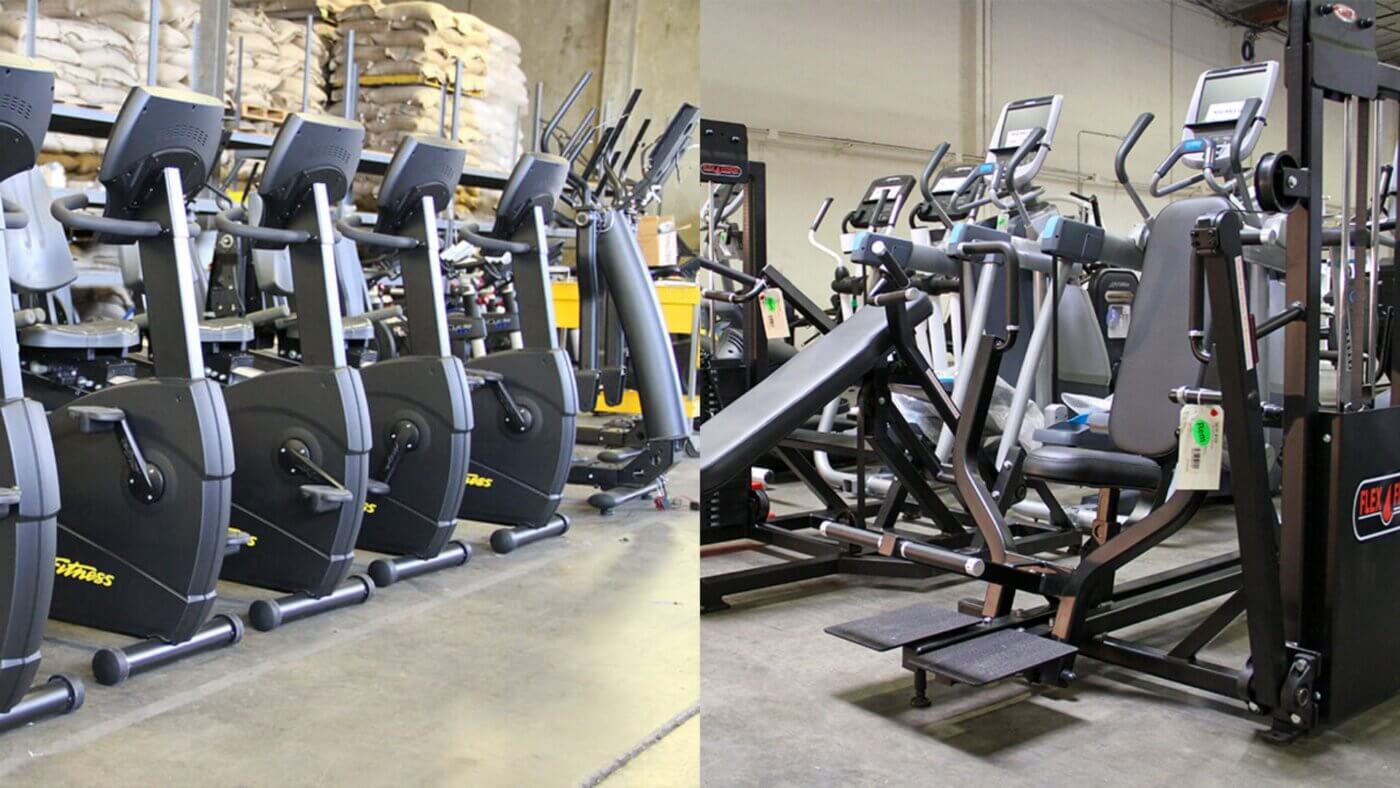
Buying more gym equipment is easy but knowing which equipment your members actually value is much harder. For commercial gyms, apartment fitness centers, hotels, corporate wellness facilities, and boutique studios, equipment decisions affect member satisfaction, floor space, maintenance costs, and long-term return. A machine that looks impressive in the showroom may sit unused, while another has members waiting for it every evening.
The best equipment decisions start with real usage patterns rather than assumptions. This article focuses on how to measure that usage: what to watch on the floor, how to read the indirect signals in maintenance records and member feedback, and how to avoid common false conclusions. Once you can see which machines members rely on and which sit empty, replacement and expansion decisions get far easier.
Watch the Floor During Peak Hours
One of the simplest ways to understand equipment usage is also one of the most effective: watch the gym floor when it is busiest. Peak hours reveal far more than quiet periods because demand becomes visible. You quickly see which treadmills fill first, which strength machines have members waiting, and which pieces stay untouched even when the facility is full.
Do not rely on a single observation, because usage changes by time of day, day of the week, and member demographic. A corporate fitness center may be busiest before work, at lunch, and after the workday, while a health club peaks in the early morning and evening. Observe several peak periods and look for recurring patterns, since consistent behavior is far more useful than one unusual day.
Wait times are the clearest sign that demand exceeds capacity. If one machine is occupied through most of the busiest hours while a similar one sits open nearby, adding another high-demand station may deliver more than increasing variety. The distinction that matters is between occasional waiting and repeated bottlenecks, and reading it correctly shows whether the real issue is quantity, layout, or programming.
Observation does not have to stay informal. Smaller facilities can keep a simple log noting whether each machine is available, occupied, or has members waiting at set intervals, which reveals clear patterns over several weeks. Larger gyms and multi-location operators often justify connected equipment or facility software that reports operating hours, sessions, and traffic, because small utilization differences affect large budgets. The objective is enough reliable information to decide well.
Identify Equipment That Rarely Gets Used
Underused equipment deserves as much attention as high-demand machines, because every piece occupies floor space and creates ongoing cleaning, maintenance, and repair costs even after it is paid off. Low utilization has several possible causes: the machine may serve a movement members do not prioritize, or it may be outdated, uncomfortable, poorly positioned, or redundant. Understand why members avoid it before removing it, since the cause points to the fix.
Sometimes repositioning a machine near related equipment lifts usage on its own. In other cases, replacing an unpopular unit with a more versatile or familiar piece of commercial fitness equipment creates far more value than the space was producing. Either way, the decision should rest on observed behavior rather than on how the machine looks.
Read Maintenance Records as an Indirect Usage Signal
Maintenance records reveal more about equipment popularity than many owners realize. Machines that see heavy daily use often need more routine service because their components wear faster. Treadmills need belts and decks serviced, strength equipment needs cable or upholstery attention, and heavily used bikes show wear sooner than nearby units, so frequent wear-related maintenance can indicate strong utilization.
That does not mean every repair is evidence of popularity. Aging or poorly maintained equipment can fail repeatedly even with moderate use, which is why the most useful approach is to compare service history with direct observation. When both show heavy activity, you know which assets are working hardest and which are simply breaking down.
Listen to Members and Account for Who They Are
Member feedback provides valuable insight, especially before major changes. Short surveys, conversations, trainer feedback, and suggestion boxes surface preferences observation misses, such as requests for more free weights, functional space, or plate-loaded machines that are consistently unavailable. Stated preferences do not always match behavior, though, since a member may ask for specialty equipment and still spend most workouts on treadmills, dumbbells, and cable machines. Treat feedback as one input alongside usage data rather than the whole decision.
Not every member uses the gym the same way, either. A health club may serve beginners, experienced lifters, older adults, and training clients, while an apartment fitness center serves residents from students to retirees and a hotel gym serves guests who want simple, intuitive equipment. Each group leaves a different footprint, which is why overall usage numbers can mislead.
A machine may have moderate total usage but still matter enormously to a specific member group. Removing every lower-use machine could make the facility less inclusive. The goal is not to maximize usage on every square foot but to build a mix that supports the actual membership while avoiding duplication and wasted space.
Measure Time Used and Value per Square Foot
Usage can be measured in different ways, and the choice changes the conclusion. A treadmill might serve many members for 20 to 40 minutes each, while a strength machine may serve even more users for only a few minutes each. Both can be highly valuable despite very different patterns, so weigh frequency and duration together.
Long-duration cardio appears busier because each user occupies it longer, while strength equipment turns over faster and supports many members without ever looking continuously occupied. A selectorized machine seeing 30 short sessions a day may be more heavily used than a treadmill occupied for several long sessions. Understanding this prevents false conclusions about which machines are earning their place.
Floor space belongs in the same calculation. A large machine serving few members deserves closer scrutiny than a compact machine with similar usage, while a large functional trainer or multi-station unit may justify its footprint by supporting several exercises and user types. Commercial floor space is expensive in any facility, so think in value per square foot.
Let Usage Guide Replacement and Future Purchases
One of the biggest mistakes facility owners make is replacing equipment based on impressions rather than evidence. A machine that looks outdated may still be among the most popular on the floor, while a modern unit may see little use. Before replacing anything, compare utilization, condition, and strategic value: a heavily used machine in poor condition is a strong replacement priority, while a lightly used machine in good condition is a better candidate for relocation, resale, or removal.
Once you understand how members use the existing floor, future purchasing becomes far easier. If cable machines are consistently busy, another cable station may deliver more than a specialty strength machine, and if stair climbers are occupied while ellipticals sit open, cardio purchases can reflect that. High-demand categories carry heavier workloads and need durable commercial-grade machines, and professionally remanufactured commercial equipment is a practical way to add that capacity while controlling capital costs. Periodic reviews keep these decisions current as preferences shift.
Frequently Asked Questions
How long should I track equipment usage before making a purchasing decision?
A few days usually does not provide enough information. Observe usage across multiple weeks and different time periods, including peak and off-peak hours, so unusual traffic or temporary changes do not distort the picture. Consistent patterns across several weeks are far more reliable than any single observation.
Should I remove equipment that is rarely used?
Not automatically. First determine whether the equipment serves a specific member group, supports an important training need, or is underused because of poor placement. If it provides little strategic value and consistently sees minimal use, selling or replacing it may make sense, but relocating it is often worth trying first.
Can member surveys accurately predict which equipment I should buy?
Surveys are useful, but they should be combined with actual usage observations. What members say they want and what they consistently use can differ. The strongest decisions combine direct feedback, utilization patterns, and operational data such as maintenance records.
How can I track equipment use without expensive software?
Manual observation can be highly effective. Create a simple log and record whether each machine is available, occupied, or has members waiting at selected intervals through the day. Repeating this over several weeks reveals clear patterns without any investment in connected equipment or software.
Can used commercial gym equipment help add capacity to popular areas?
Yes. Professionally inspected, refurbished, or remanufactured commercial equipment is a practical way to add high-demand machines while managing capital costs. It should still be evaluated for quality, condition, expected usage, warranty where applicable, and long-term serviceability before it goes on the floor.
Build Your Gym Around Real Member Behavior
The best commercial gym equipment strategy is based on how people actually use the facility rather than on assumptions. Tracking utilization reveals which machines deserve more capacity, which areas create frustration, which pieces occupy space without earning it, and where future budgets belong. It also helps owners avoid buying equipment that looks impressive but does little for the member experience.
Used Gym Equipment has served commercial fitness facilities since 1989, helping gyms, apartment communities, hotels, schools, and corporate fitness centers open, expand, relocate, and upgrade. We work with professionally inspected used commercial gym equipment, refurbished equipment, and equipment remanufactured at our Southern California facility. If you are planning your next purchase, contact Used Gym Equipment to discuss your facility, member usage patterns, available space, and goals.
Call us at (310) 638-4800 or visit www.UsedGymEquipment.com to learn more.